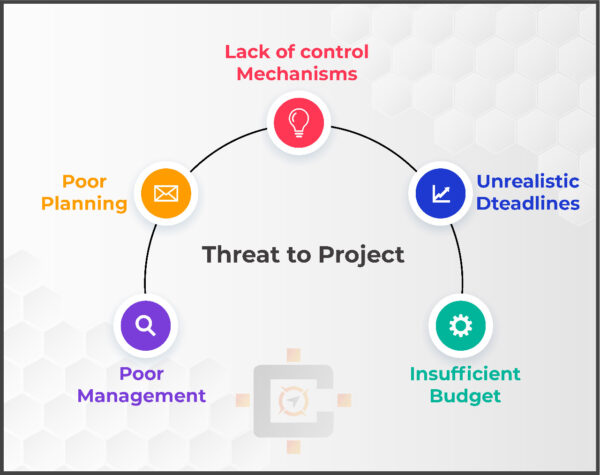
Project management has become a formal process in most organisations. If an organisation were to apply for a loan from a bank the bank would demand a business plan to justify the loan and explain how it would be repaid.
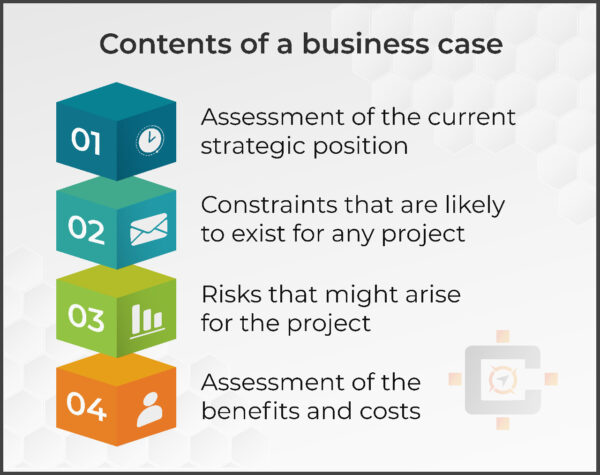
Strategic analysis:
The use of a SWOT analysis may be helpful to the project manager in communicating the organisation’s current strategic position and the justification of the changes proposed to this position through the implementation of the project.
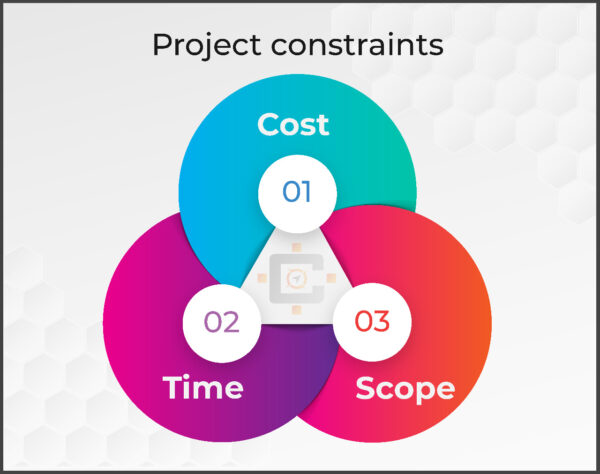
Project constraints:
There are three key project constraints:
Risk analysis:
Risk is explored in more detail elsewhere in this text. For projects, a risk is anything that will have a negative impact on any one or all of the primary project constraints – time, scope and cost.
You should be aware that risk analysis has three key elements:
identifying risks
assessing risks
managing risks
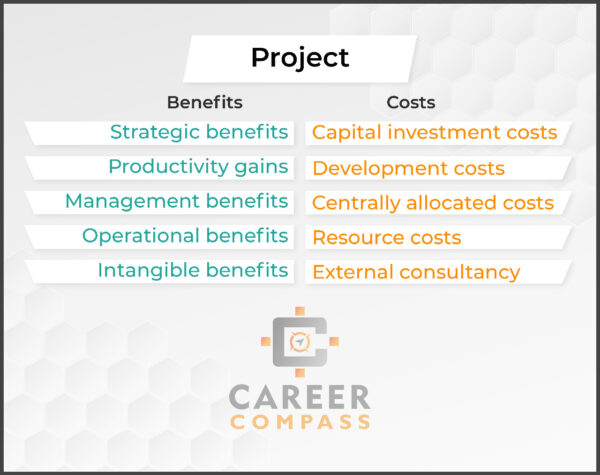
Project benefits:
There can be a wide variety of benefits or cost from new projects such as:
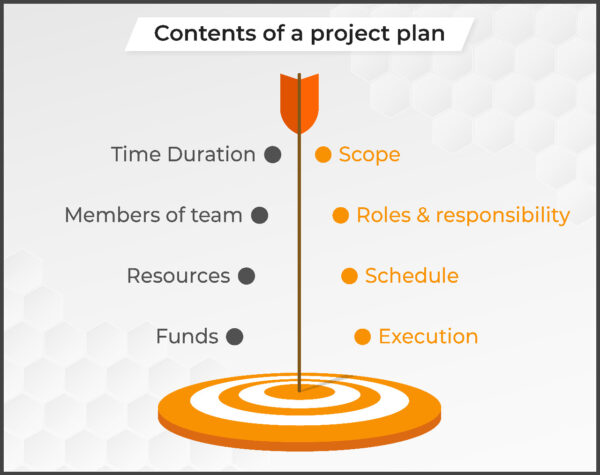
Alongside the business case, the project team will also need a detailed plan for resources, timings, interim targets etc. This will be the project plan.
Importance of a project plan:
A project plan aims to ensure that the project objectives are achieved within the constraints of quality, cost and time. Planning is essential as it helps to:
communicate what has to be done, when and by whom
encourage forward thinking
provide the measures of success for the project
make clear the commitment of time, resources (people and equipment), and money required for the project
determine if targets are achievable
identify the activities the resources need to undertake.
The plan is likely to be recorded as an element of a Project Initiation Document (PID). This is not a one-off, pre-project document like the business case document. It will contain the business case document and project plans, but it is also likely to be constantly revised and updated throughout the project life to reflect key changes and project completion phases.
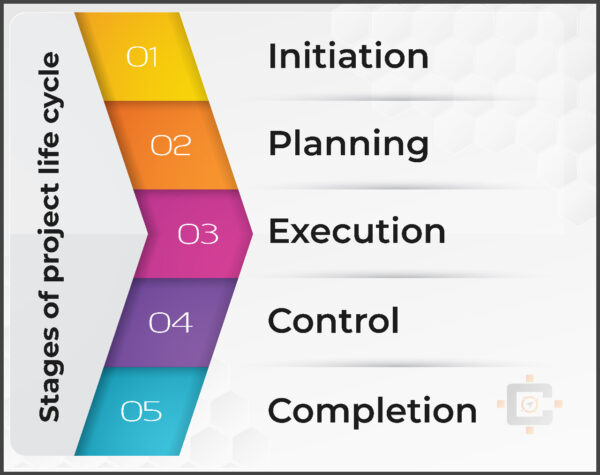
Executing consists of the processes used to complete the work defined in the project management plan to accomplish the project’s requirements. Execution process involves co-ordinating people and resources, as well as integrating and performing the activities of the project in accordance with the project management plan. The deliverables are produced as outputs from the processes performed as defined in the project management plan.
The final stages of a broadly successful project can be most rewarding. It is at this stage that people can finally see the realisation of plans and objectives.
The final stages of a broadly successful project can be most rewarding. It is at this stage that people can finally see the realisation of plans and objectives.