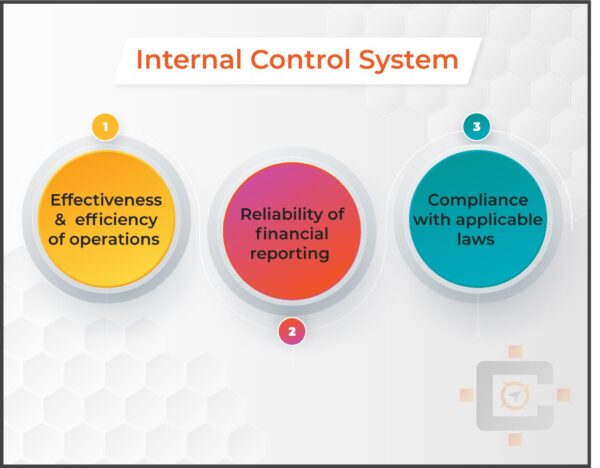
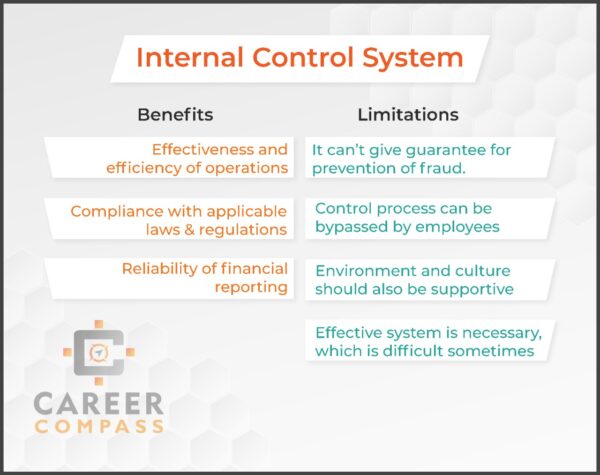
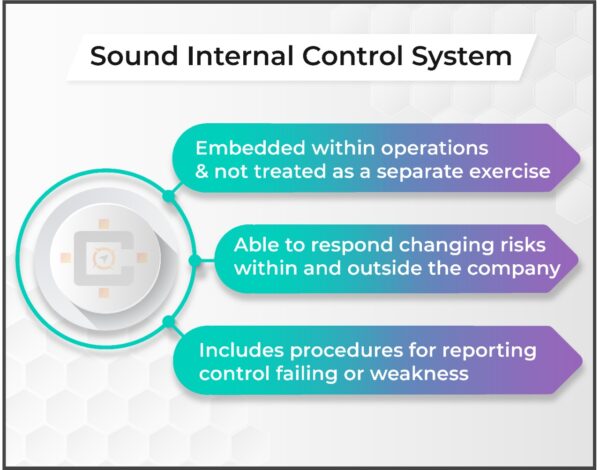
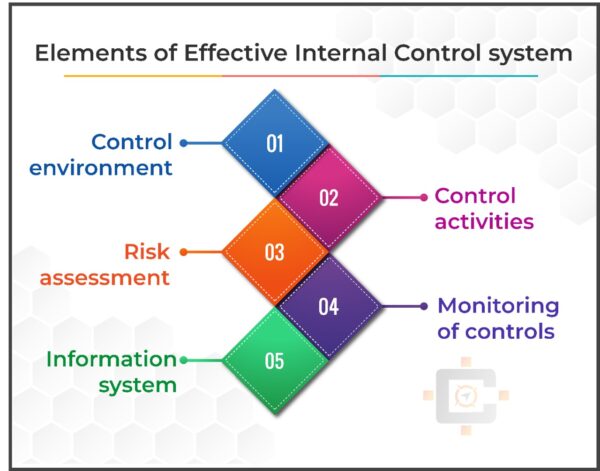
An internal control system comprises the whole network of systems established in an organisation to provide reasonable assurance that organisational objectives will be achieved.
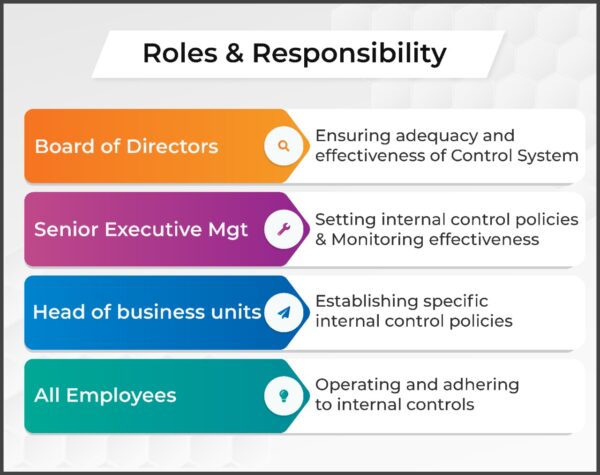
It is the process which is designed, implemented and maintained by management and those charged with governance.
Popular misconception is that the internal control system is implemented simply to stop fraud and error. As the points below show, this is not the case.
The orderly and efficient conduct of its business, including adherence to internal policies
The safeguarding of assets of the business
The prevention and detection of fraud and error
The accuracy and completeness of the accounting records, and
It is not sufficient to simply have an internal control system since a system can be ineffective and fail to support the organisation and serve the aim of corporate governance.
The review is a normal responsibility of management.
The review itself, however, will be delegated to the audit committee (the board does not have the time nor the expertise to carry out the review themselves).
The board must provide information on the internal control system and review in the annual accounts.
The review should be carried out at least annually.
The aim of preventative controls is to reduce opportunity and remove temptation from potential offenders.
Some specific examples of fraud prevention include:
An anti-fraud culture
Risk awareness
Fraud Detection:
A common misbelief is that external auditors find fraud. This is actually rarely the case – in fact their letters of engagement typically state that it is not their responsibility to look for fraud. Most frauds are discovered accidentally, or as a result of information received (whistleblowing).
Some methods of discovering fraud are:
Performing regular checks, e.g. stocktaking and cash counts.
Warning signals or fraud risk indicators
Fraud Response:
The fraud response plan sets out the arrangements for dealing with suspected cases of fraud, theft or corruption.