Risk Management Committee is the committee formed by board of directors to oversee the risk management policy and global risk management framework of the business.
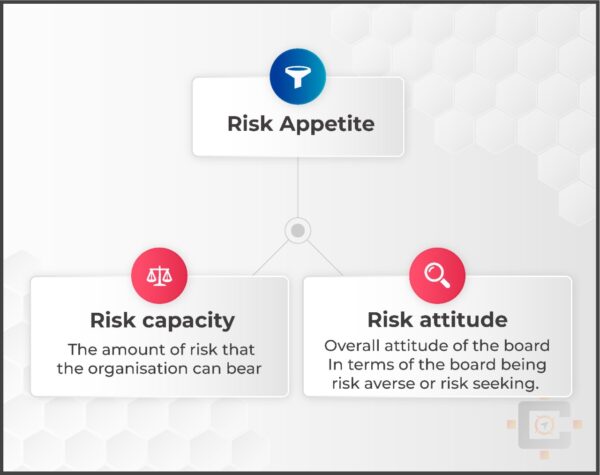
Risk Management Committee will assist the Board of Directors in fulfilling its oversight responsibilities with regard to the risk appetite of the Corporation, the Corporation’s risk management.
It will have both NEDs and Executive directors also.
In reality, very few things happen which haven’t happened before. There will be an exception because we are living in an uncertain world.
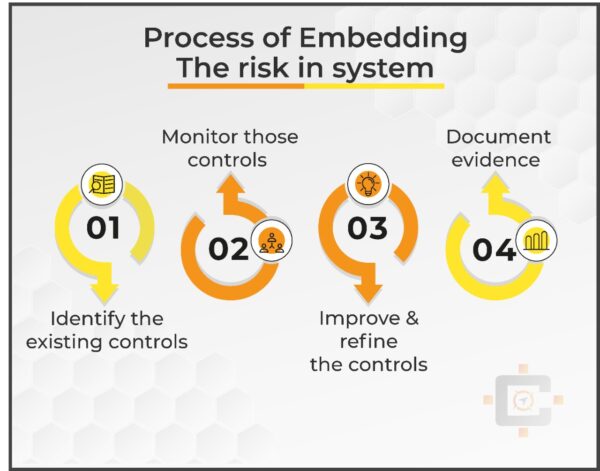
So whatever bad things happened already in past, we should try that the same bad thing do not occur once again, so for that we need to do is that for each and every risk identified we must have controls in place which are effective.
And so this is called and embedding the risk in system.
Embedding risk into culture and values therefore implies that risk management is ‘normal’ for the organisation. Risk management should become the behaviour of the organization.
An effective risk culture is one that enables and rewards individuals and groups for taking the right risks in an informed manner.
Risk can be transferred wholly or in part to a third party, so that if an adverse event occurs, the third party suffers all or most of the loss.
Avoid:
An organisation might choose to avoid a risk altogether. However, since risks are unavoidable in business ventures, they can be avoided only by not investing.
Reduction/Mitigation:
Attempting to decrease the adverse effects should that risk actually crystallize.
There are various mitigation techniques like risk minimization, risk pooling & hedging techniques.
Accept:
Its’s simply accept that the risk may occur and decide to deal with the consequences in that particular situation. The strategy is appropriate normally where the adverse effect is minimal.